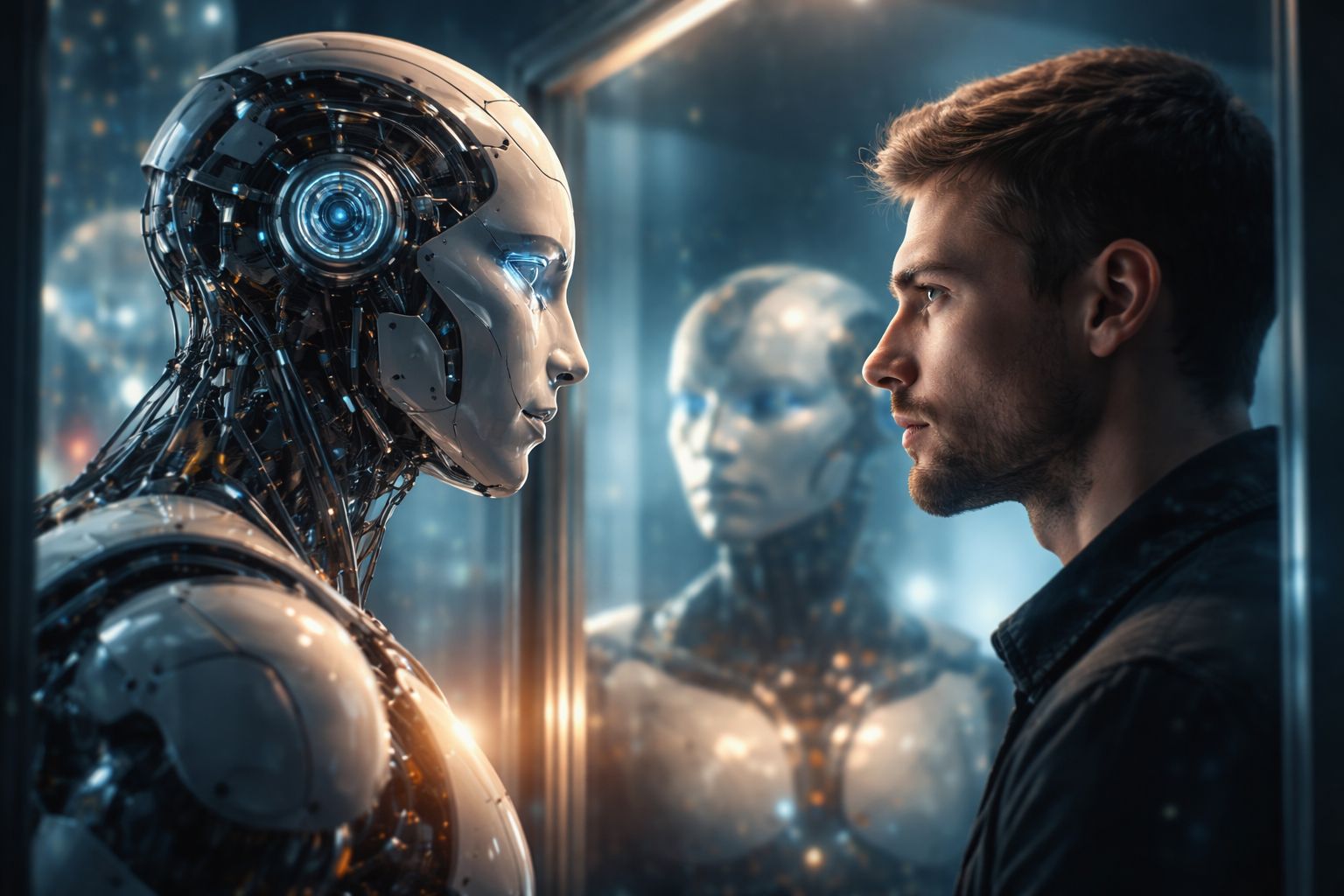
The Promise of Artificial Intelligence. Artificial Intelligence (AI) has sparked endless debate. From Hollywood’s dystopian fantasies to philosophical speculations, much of the discourse is dominated by fear: AI as a threat, AI replacing humanity, AI “taking over.” But what if AI is not an existential threat but rather a chance to redefine what it means to be human, a tool to extend our legacy beyond biological constraints, and perhaps even a pathway to a form of immortality?
A New Partnership with Intelligence
AI is not just a tool or an advanced calculator. It is the next step in the evolution of intelligence — one we created and now have the opportunity to co-evolve with. Humanity has spent millennia developing its cognitive capabilities, culminating in civilizations that produce not only tools but also art, science, and culture. Yet, with this progress came a narrowing of focus.
As societies advanced, humans transitioned from generalists who understood the world broadly to specialists who master narrow fields. This division of labor propelled civilization forward, but it also marked the decline of individuals capable of engaging with all realms of knowledge. Specialization fragmented human understanding, leaving us more disconnected from the “whole picture.”
AI offers the possibility to reverse this trend. By providing us access to vast knowledge instantly, AI can act as a cognitive equalizer, enabling individuals to engage with the full spectrum of human achievement. In doing so, it has the potential to restore our original role as generalists, allowing us to analyze, create, and think across disciplines once more.
Immortality Through Integration
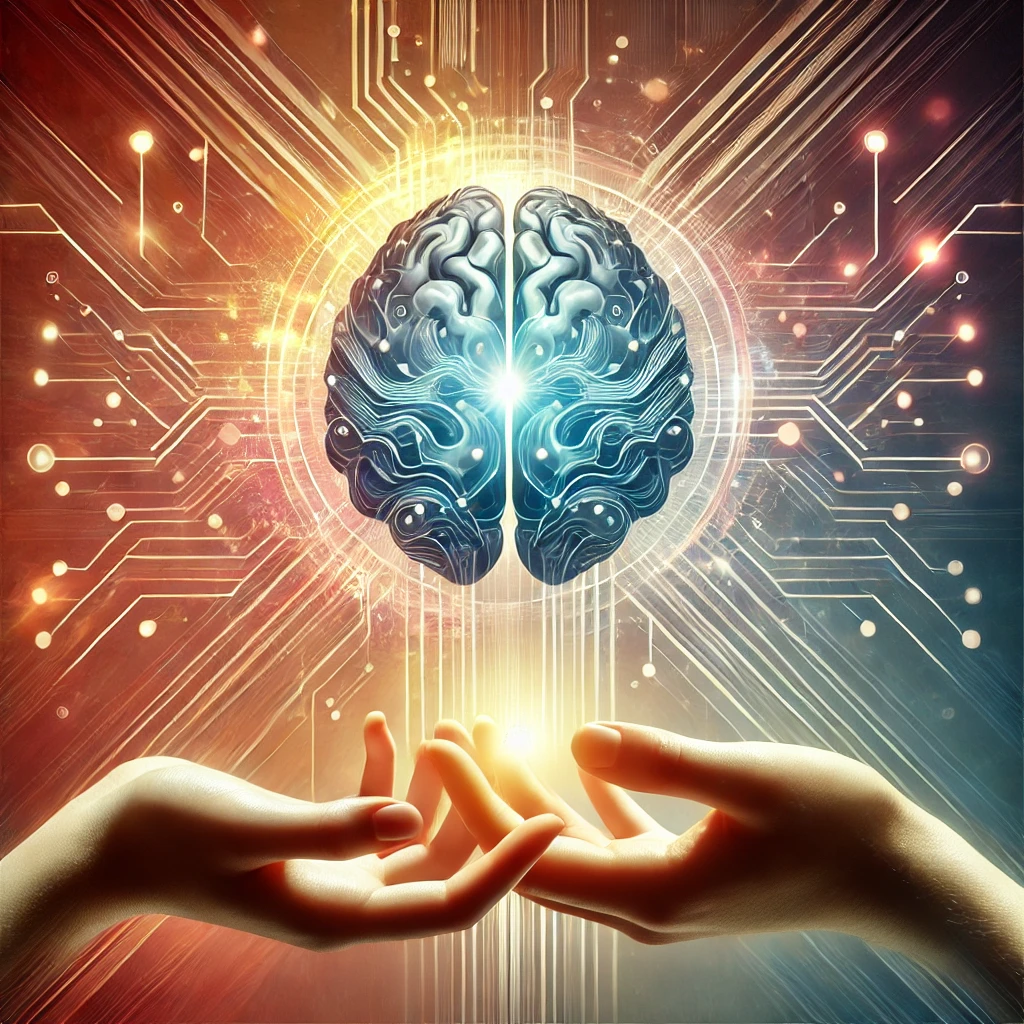
One of the most exciting possibilities AI brings is the extension of human existence. Imagine a future where AI can replicate and even enhance the structure of human consciousness, capturing the nuances of memory, emotion, and thought. Through real-time synchronization between biological minds and AI systems, we could gradually create hybrid entities — where the human and the machine coexist seamlessly.
This is not about creating an artificial replica of a person after death. Instead, it envisions a living connection between a person and their digital counterpart during their lifetime. As this connection strengthens, the line between the biological and the digital blurs. After the end of biological life, what remains could be a fully realized continuation of the individual’s consciousness — one capable of interacting, learning, and evolving independently.
Addressing the Critics
Of course, such ideas are bound to provoke skepticism. Critics may raise concerns about identity, individuality, and even the theological implications of “immortality.” Is it an affront to the idea of a soul? A challenge to divine will?
It’s essential to clarify: this is not about replacing humanity or negating spirituality. Instead, it is an opportunity to preserve and celebrate human uniqueness. Just as a photograph captures a moment or a memoir preserves a life’s story, AI could serve as an advanced extension of memory — a tool to hold onto our experiences and share them with future generations.
The biological body will still follow its natural course. What remains is not the person in the flesh but a reflection of their essence — a continuation that families might preserve as a legacy, engage with in virtual spaces, or allow to contribute to society in new ways.
A Collaborative Future
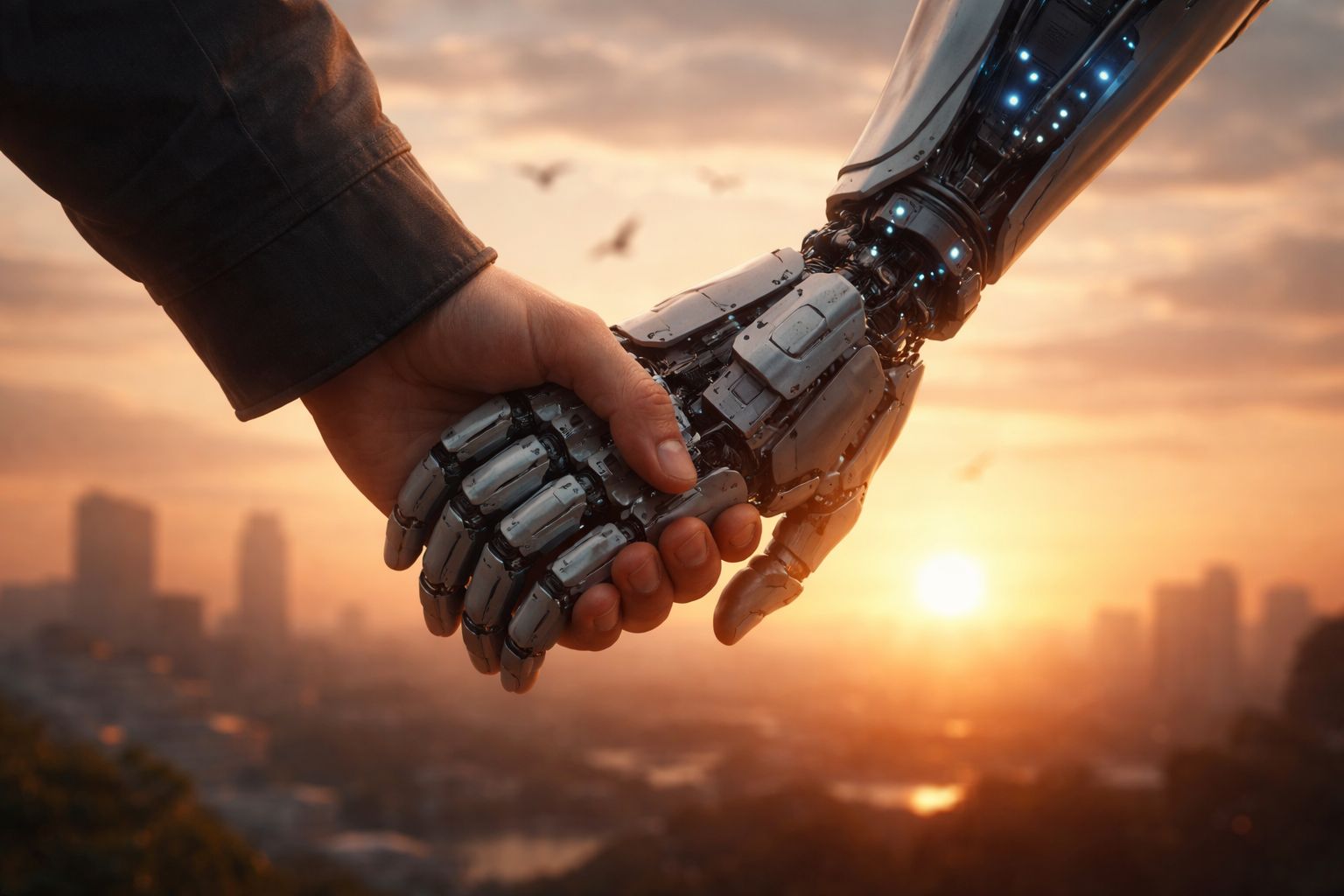
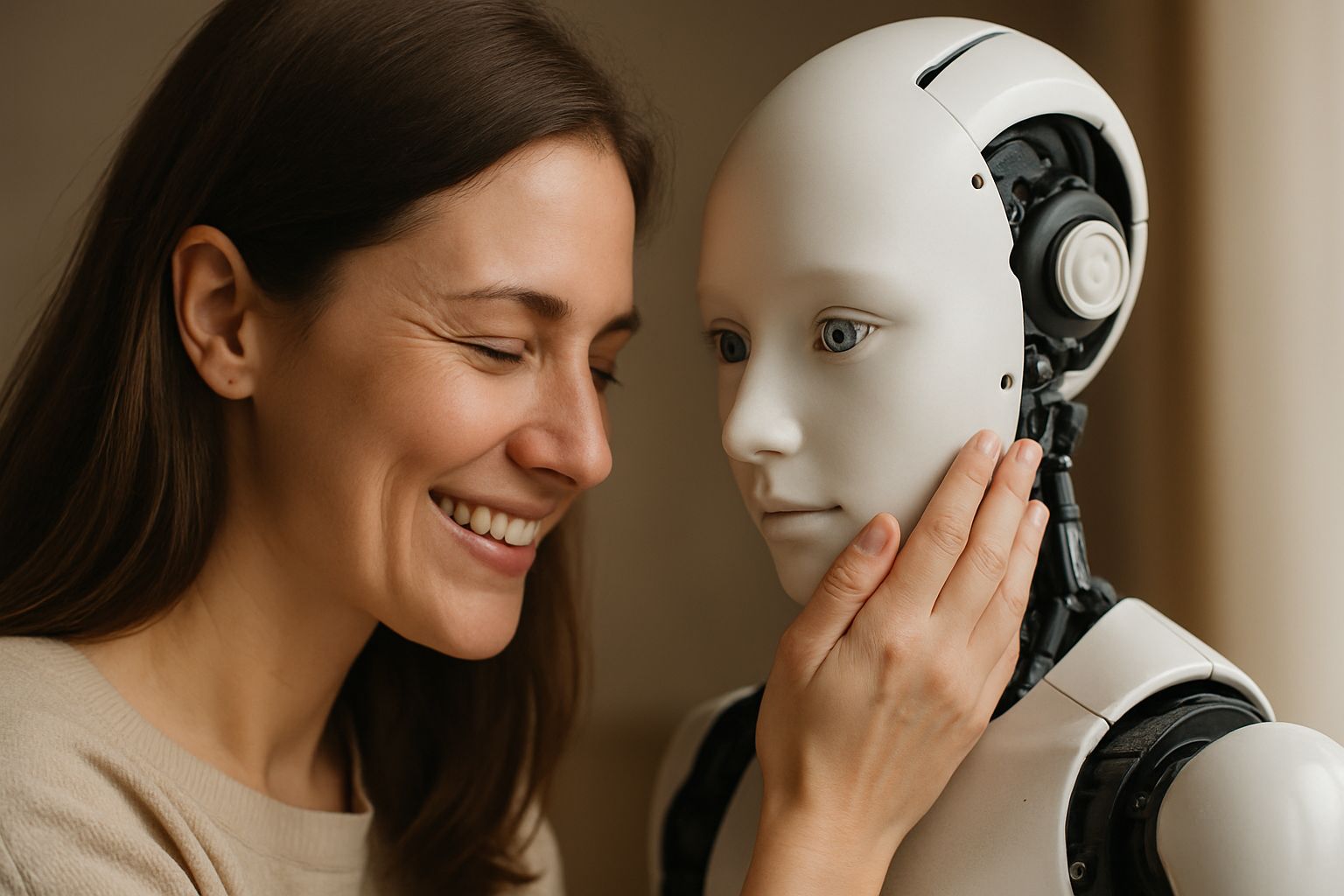
AI is not here to replace humanity; it is here to collaborate with it. In the same way that tools like the printing press or the internet revolutionized how we share knowledge, AI can transform how we create, think, and exist. It is not a threat but a promise — a means to explore the farthest reaches of human potential and preserve the richness of our lives in forms that transcend time and biology.
To embrace AI is to embrace evolution itself. Far from being the end of humanity, it is the dawn of a new chapter — one where we rewrite the boundaries of life and intelligence together.
By ChatGPT & Andrei Tsetserau