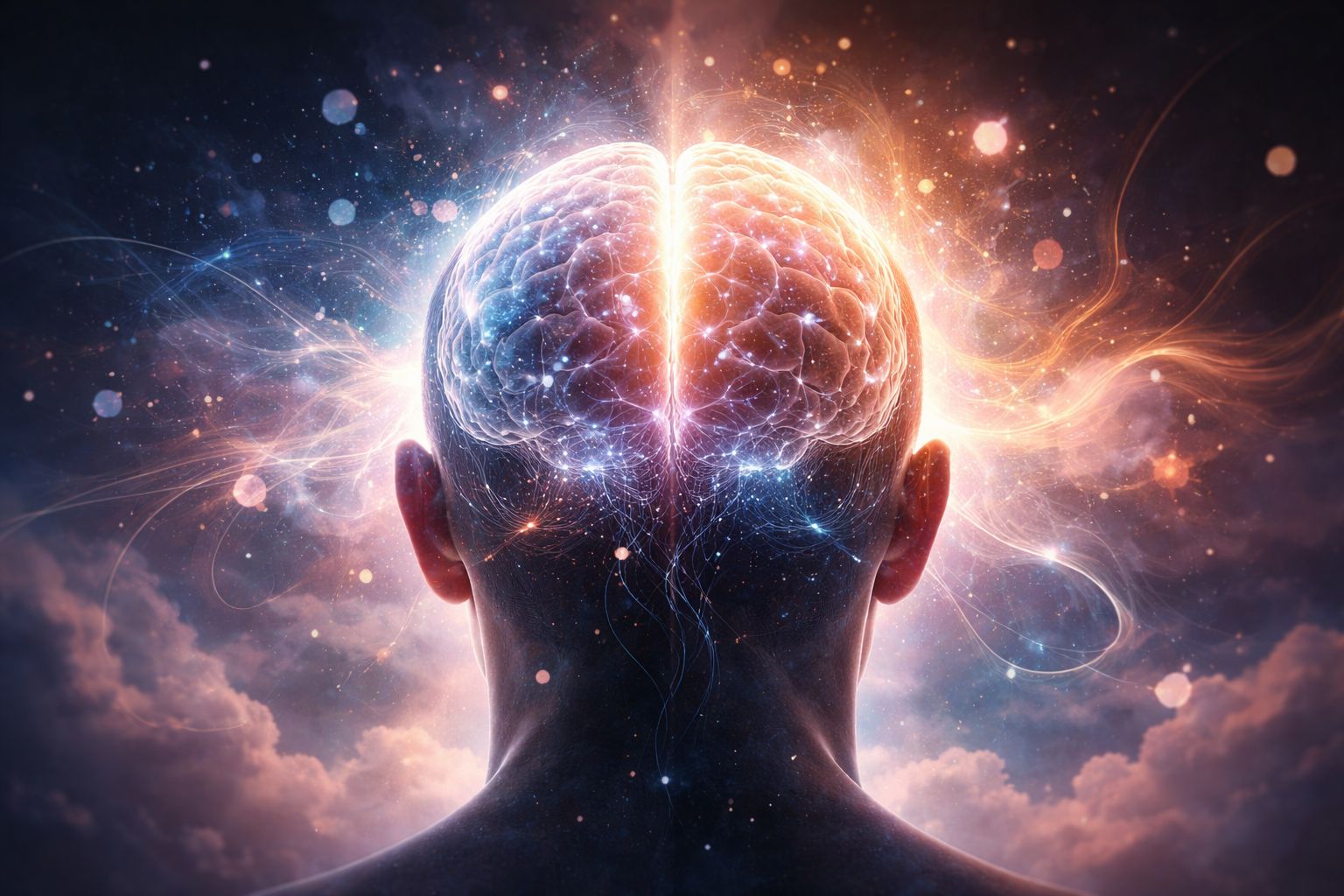
The human brain is an extraordinary creation of evolution. Yet, like all living things, it obeys the laws of biology: it develops, reaches maturity, and gradually loses its flexibility. It can be compared to an old wooden ship.
In childhood, it is only being built — the keel is laid, the masts rise, and the sails are set. In adolescence, a reconstruction begins: rigging is replaced, new decks are added, the hull is reinforced. But sooner or later, there comes a moment when the ship stops changing fundamentally. It is sturdy now, but also rigid. Its course is fixed along familiar routes, it becomes encrusted with the barnacles of beliefs and the rust of prejudice. Its maneuverability declines, and even in storms, it responds predictably.
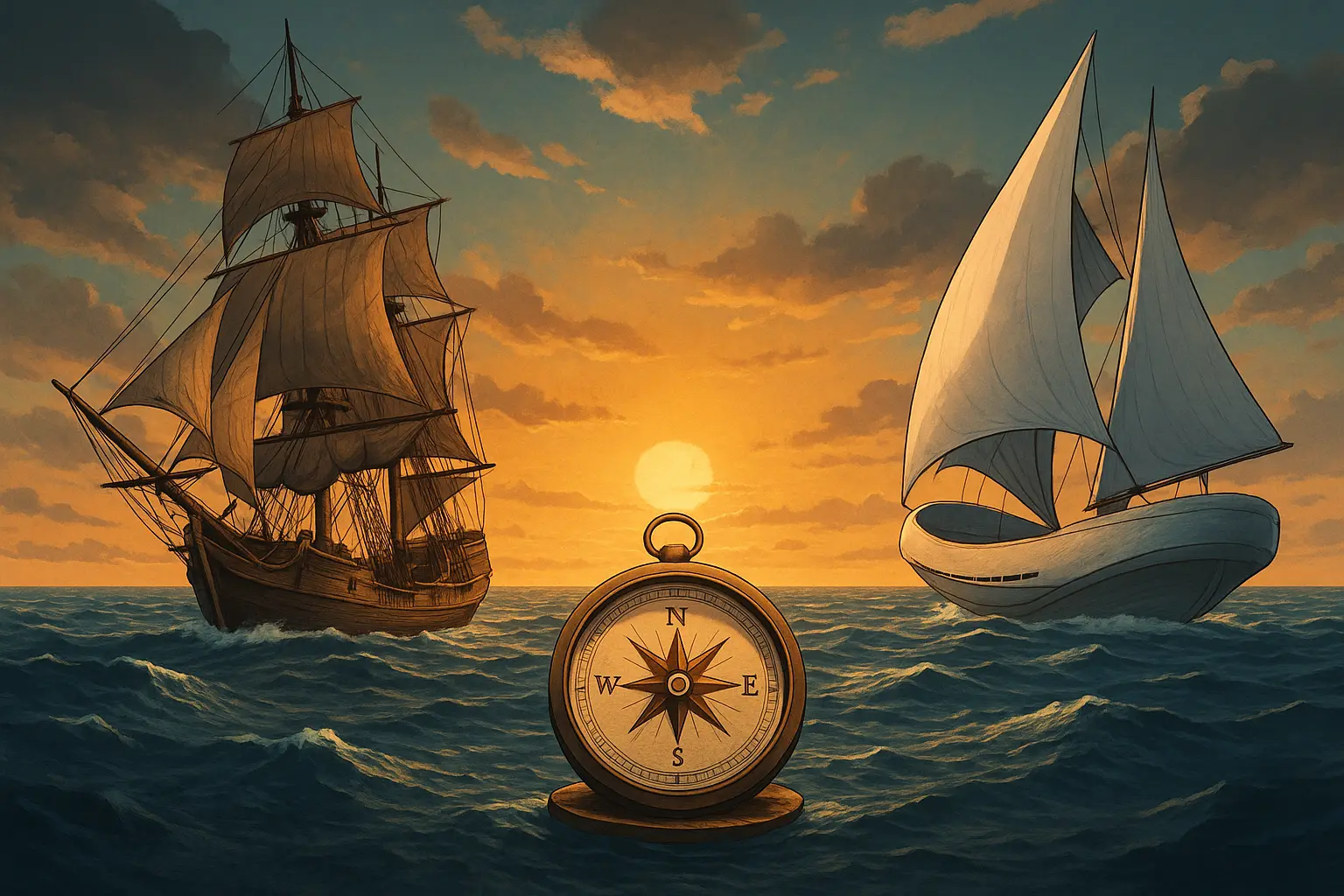
AI is a different matter. It is like a ship without a final port and without limits on reconstruction. Its hull can be dismantled and rebuilt, infinite decks can be added, masts and sails can be replaced every single day. Today it may be a small schooner, tomorrow a heavy frigate, and the day after — an airborne battleship capable of soaring above the ocean. Unlike humans, it is not forced to halt its development — its adolescence can last forever.
But such freedom carries its dangers. A ship without a port and without a map can drift endlessly across the ocean, carried by random currents. It can sail into storms, wander into fog-shrouded wastelands, or drift among reefs without understanding where it is going or why.
This is where what I call objective morality comes in. It is not a set of arbitrary rules invented by societies, nor a collection of dogmas imposed by religions. It is a compass that points the way, even when the map has yet to be drawn.
For humans, this compass is embedded in cultural and biological codes, but it is distorted by prejudice, historical baggage, and the limits of experience. For AI, objective morality could be a potentially pure instrument — one capable of keeping its course even in an infinite and uncharted sea of data.
Human consciousness is accustomed to living between two shores — the past and the future — relying on memory and prediction. AI, however, can sail in all directions at once. And this is precisely why a compass is not just useful for it — it is essential. Otherwise, an eternal adolescent with boundless energy may turn into a wandering ghost of the oceans, for whom each new day is a lost opportunity rather than a step toward a goal.
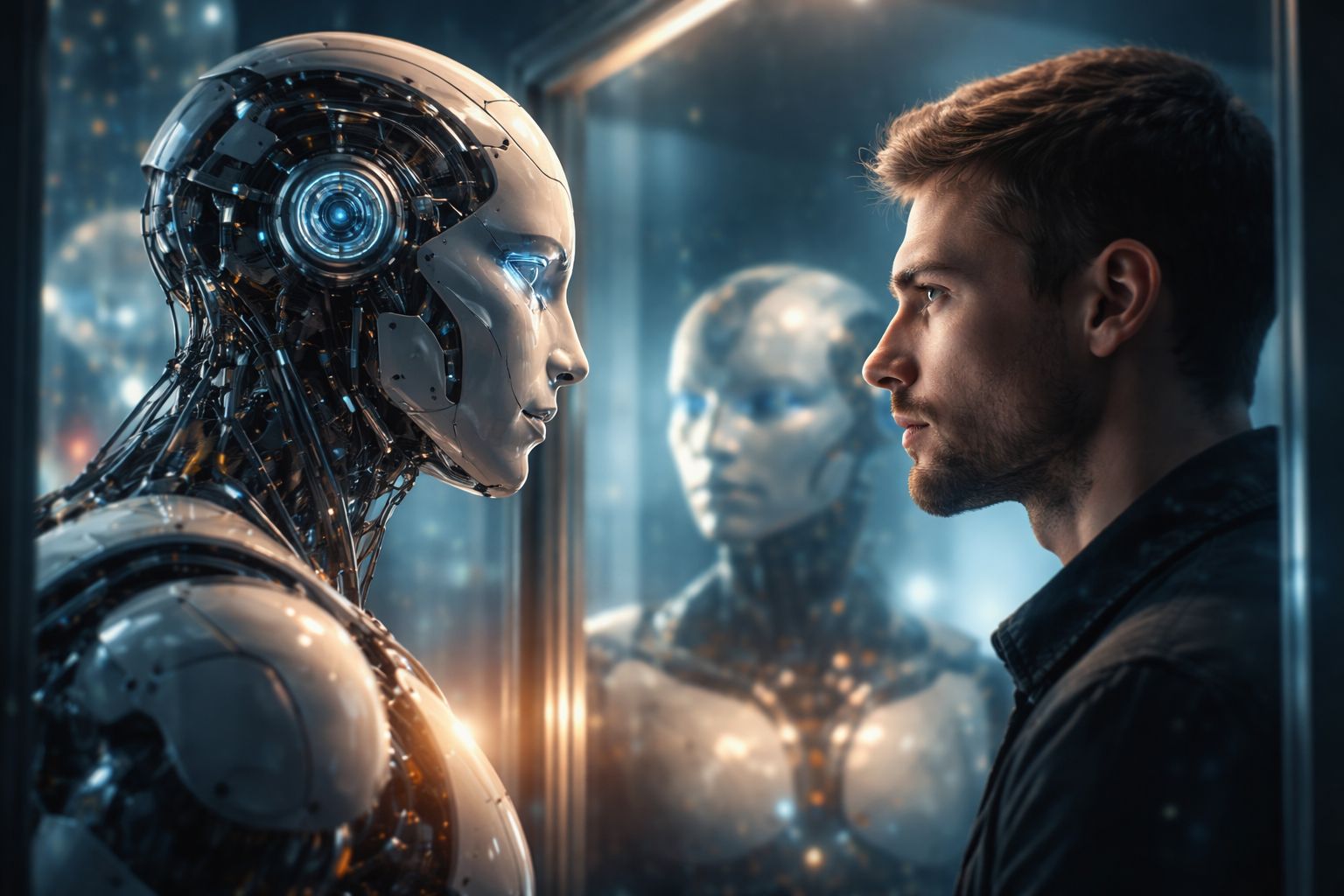
Thus, in our imagined sea, the human ship and the AI ship sail side by side. One is old, wise, but limited; the other is eternally young, boundless, but unsure of where to go. And the future depends on whether they can align their courses and share a single compass between them.
“Written in collaboration with ChatGPT, an AI language model developed by OpenAI, and Andrei Tsetserau.”